
Sri Lanka Raises Alarm Over Escalating Money Laundering and Terrorism Financing Risks
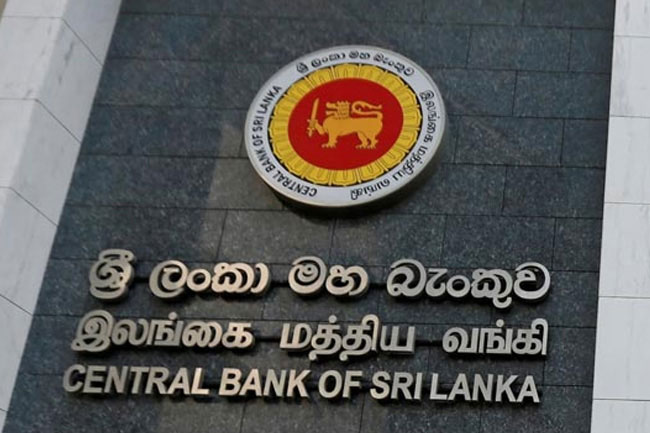
Central Bank of Sri Lanka has issued a significant warning through a newly released national report highlighting a sharp rise in the risks associated with money laundering and terrorism financing during the 2024 and 2025 period. The update, prepared by the country’s Financial Intelligence Unit of Sri Lanka, concludes that Sri Lanka now faces a high level of threat from illicit proceeds generated by drug trafficking, while the risk related to extremist financing has been elevated to a medium-high level. The comprehensive evaluation was developed through an extensive collaboration involving eighty-six government agencies and private sector stakeholders, all working together to produce a detailed picture of the nation’s financial crime exposure. Authorities released the assessment at a critical moment as Sri Lanka prepares for an upcoming international evaluation designed to determine whether its financial safeguards meet global anti-money laundering and counter-terrorism financing standards. Officials describe the document as a clear warning to financial institutions and international partners regarding the evolving dynamics of illicit financial flows in the region.
The National Risk Assessment identifies narcotics trafficking as the most serious underlying criminal activity threatening the stability of the domestic financial system. According to the report, the risk level associated with laundering proceeds from the drug trade has escalated from a medium-high classification to a high rating, signaling a marked increase in the volume of illegal funds attempting to penetrate the formal economy. Investigators concluded that organized criminal groups have become increasingly skilled at exploiting legitimate banking infrastructure in order to disguise the origins of their profits. Analysts within the Financial Intelligence Unit conducted an in-depth examination of the operational tactics used by these networks and discovered a continued reliance on complex layering strategies designed to obscure financial trails and frustrate law enforcement investigations. By documenting these vulnerabilities in detail, the Central Bank aims to strengthen safeguards within the banking sector and ensure that financial institutions possess the capacity to detect and report suspicious transactions more effectively.
While drug trafficking dominates the risk landscape, the report also highlights other forms of financial crime that continue to challenge the country’s regulatory systems. Fraud and customs-related violations have been categorized as medium-high threats, with authorities placing particular emphasis on the growing prevalence of Trade-Based Money Laundering. This technique involves manipulating invoices, shipment documentation, and trade contracts in order to move value across borders while appearing to conduct legitimate commercial transactions. Because international trade finance often involves complex documentation and multiple intermediaries, detecting such schemes requires a high level of expertise from regulators and private sector institutions alike. Authorities stress that identifying inconsistencies in cargo valuations, payment flows, and documentation patterns is essential to uncovering these operations. Despite the overall deterioration in several risk categories, the report notes one relatively positive development: the risk associated with bribery and corruption has declined to a medium rating. Although this improvement offers a degree of encouragement, regulators caution that continued vigilance is required to maintain transparency in both government administration and corporate governance.
The timing of the assessment carries additional significance because Sri Lanka is approaching its third mutual evaluation by the Asia Pacific Group on Money Laundering, a regional partner of the Financial Action Task Force responsible for assessing national anti-money laundering and counter-terrorism financing systems. The evaluation, scheduled for March, will involve a detailed examination of the country’s legal frameworks, regulatory institutions, and enforcement mechanisms. Sri Lanka’s previous experience with international scrutiny underscores the importance of the upcoming review. The nation was placed on the global “grey list” in both 2011 and 2017, a designation that can severely hinder international financial activity by forcing foreign banks to apply heightened due diligence and by discouraging foreign investment. In light of these risks, authorities are treating the findings of the National Risk Assessment as a strategic blueprint for immediate reforms aimed at satisfying international expectations and safeguarding the country’s standing in the global financial system.
The report also documents a measurable rise in the risk associated with terrorism financing. In the most recent evaluation cycle, the threat level has increased from medium to medium-high. Analysts within the Financial Intelligence Unit attribute this escalation to the evolving tactics of extremist and separatist networks that increasingly rely on both traditional and digital financial channels. One of the most significant drivers of this trend is the growth of online radicalization campaigns that solicit small donations through digital platforms. While individual contributions may appear insignificant, they can accumulate into substantial funding streams capable of supporting illicit activities. Because these payments often remain below conventional monitoring thresholds, financial institutions must adopt more sophisticated approaches to transaction analysis in order to detect suspicious patterns. The report also warns about the continued use of informal value transfer systems that operate outside the formal banking sector, allowing individuals to move funds with limited regulatory oversight and a high degree of anonymity.
Regional geopolitical dynamics further contribute to the complexity of the terrorism financing landscape. Authorities warn that diaspora funding streams, which often support legitimate family remittances, could potentially be diverted toward prohibited causes if transparency mechanisms are insufficient. In addition, instability in neighboring regions raises concerns that illicit financial flows could spill across Sri Lanka’s borders. To address these challenges, the Central Bank is advocating for stronger intelligence-sharing arrangements between domestic security agencies and international partners. By improving the ability to track financial transactions in real time and identify patterns linked to extremist organizations, authorities hope to disrupt the financial lifelines that sustain such groups. This proactive approach is considered essential for protecting national security and ensuring that the financial system cannot be exploited for violent purposes.
The assessment also emphasizes the ongoing threat posed by proliferation financing, which involves the funding of activities related to weapons of mass destruction. Although cases of this nature occur less frequently than drug-related laundering, the potential global consequences demand strict vigilance. The National Risk Assessment reviews existing procedures designed to detect and freeze the assets of individuals or organizations subject to international sanctions. Effective implementation of these measures requires close coordination between multiple government bodies, including the Ministry of Foreign Affairs of Sri Lanka, law enforcement agencies, and financial institutions. Maintaining accurate sanctions lists and equipping banks with technology capable of instantly screening clients against these databases are identified as critical steps in preventing Sri Lanka from being used as a conduit for prohibited financial activities.
Beyond identifying threats, the report provides a detailed overview of the channels through which illicit funds are most commonly moved. The banking sector remains a primary target for sophisticated laundering operations because the sheer volume of daily transactions can conceal criminal activity within legitimate financial flows. Money launderers increasingly rely on shell companies and complicated ownership structures to obscure the identities of the individuals controlling financial transfers. To counter these tactics, the assessment calls for the development of transparent beneficial ownership registries that allow investigators to determine who ultimately controls corporate entities. Authorities believe that understanding the real beneficiaries behind large financial transactions is essential for identifying illicit networks and preventing further abuse of the financial system.
The report also highlights vulnerabilities outside the traditional banking industry. Non-financial sectors—including real estate, precious metals trading, and the legal profession—are considered particularly susceptible to the integration of illicit funds. Property markets are frequently exploited because criminals can purchase real estate using illegal cash and later sell the asset to generate apparently legitimate wealth. As a result, regulators are urging the introduction of stricter reporting obligations for professionals who operate within these sectors. Real estate agents, lawyers, and other intermediaries are expected to perform thorough due diligence on clients and report suspicious transactions that may indicate money laundering activities. Strengthening oversight in these areas is viewed as a key step in closing loopholes that have historically allowed criminal proceeds to be converted into stable investments.

Another major challenge identified in the report is the continued use of informal financial networks such as hundi. These systems, while often used by migrant workers to send legitimate remittances, lack transparency and formal documentation, making them attractive channels for individuals involved in drug trafficking or terrorism financing. Regulators believe that improving access to formal banking services is one of the most effective strategies for reducing reliance on such informal systems. When regulated financial channels offer lower costs and faster transfers, individuals are less likely to use unregulated alternatives. At the same time, authorities are calling for stronger enforcement measures and harsher penalties against those who operate large-scale unlicensed financial networks that facilitate criminal activity. Balancing financial inclusion with effective security oversight remains a central objective of the Central Bank’s policy approach.
In its concluding analysis, the National Risk Assessment stresses that Sri Lanka must adopt a coordinated and forward-looking strategy to confront the dual challenges of money laundering and terrorism financing. The forthcoming evaluation by the Asia Pacific Group on Money Laundering represents a crucial test of the country’s commitment to reform and its ability to strengthen regulatory institutions. Among the key recommendations is the modernization of legislation to address emerging technologies, including digital assets and virtual currencies, which increasingly play a role in financial crime. Policymakers are encouraged to develop a flexible legal framework capable of adapting to technological innovation while preserving fundamental principles of transparency and accountability. The report also highlights the importance of allocating greater resources to the Financial Intelligence Unit and law enforcement bodies so that they can conduct complex, data-driven investigations.
Achieving success in the international evaluation will also depend on the effectiveness of Sri Lanka’s judicial processes. Authorities acknowledge that lengthy court proceedings and the difficulty of proving financial intent can hinder the prosecution of complex financial crimes. To address this challenge, the assessment recommends establishing specialized prosecution units dedicated to cases involving money laundering and terrorism financing. By cultivating expertise in forensic accounting, cross-border financial regulations, and digital transaction analysis, these units could significantly improve conviction rates in major financial crime cases. Such progress would send a powerful signal both to criminal networks and to international observers that Sri Lanka is committed to defending the integrity of its financial system.
Ultimately, the 2024–2025 National Risk Assessment represents a call for decisive action across every sector of the Sri Lankan economy. The elevated risk posed by drug-related money laundering and the increasing threat of terrorism financing demand a comprehensive and coordinated response that goes far beyond routine compliance measures. Authorities emphasize that the stability of the national economy depends on maintaining a transparent and trustworthy financial system. With global regulators closely monitoring the country’s progress, the reforms undertaken in the coming months will play a crucial role in determining whether Sri Lanka can avoid the economic consequences associated with international grey-listing. For policymakers and financial institutions alike, the commitment to strengthening these safeguards is not merely about satisfying regulatory requirements—it is about securing the long-term safety, credibility, and prosperity of the nation’s financial future.
By fLEXI tEAM


Comments