
EU Extends Russia Economic Sanctions Until July 2027 as Compliance Becomes Long-Term Reality
The European Union has extended its economic sanctions against Russia for another year, confirming that restrictions linked to the war in Ukraine are no longer being treated as short-term emergency measures but as a long-term part of Europe’s regulatory and commercial environment.
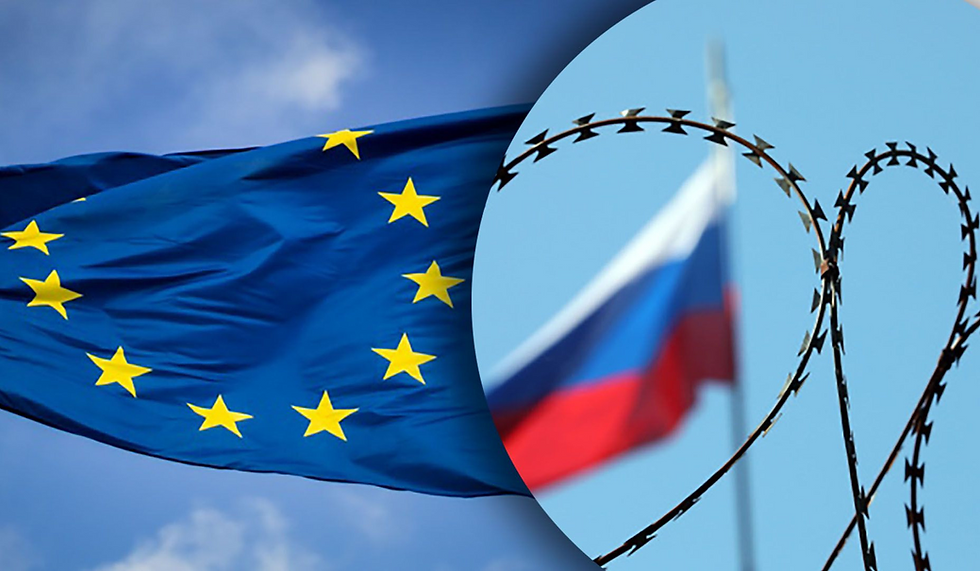
On 25 June 2026, the Council of the European Union renewed the restrictive measures imposed in response to Russia’s continuing actions destabilising Ukraine. The measures will now remain in force until 31 July 2027. The decision followed agreement by EU leaders at the European Council meeting of 18–19 June 2026, where member states backed a 12-month extension.
The length of the renewal is important. Until now, the EU’s core economic sanctions against Russia had generally been extended every six months. Moving to a full-year renewal signals greater political confidence inside the bloc and gives businesses a clearer indication that Russia-related sanctions exposure will remain a permanent compliance issue for the foreseeable future.
From Temporary Crisis Response to Long-Term Sanctions Architecture
EU sanctions against Russia have expanded significantly since the full-scale invasion of Ukraine in February 2022. What began as a rapid political and economic response has become a complex sanctions architecture covering trade, finance, energy, transport, technology, media, dual-use goods, luxury goods, professional services, and dealings with listed individuals and entities.
The renewed measures include restrictions affecting several core areas of the Russian economy. These include limits on trade with Russia, financial-sector restrictions, restrictions on energy imports and services, transport-related measures, and prohibitions aimed at limiting Russia’s access to sensitive goods, technology and revenue streams.
The latest extension makes clear that the EU does not expect a quick return to pre-war business conditions. For companies, banks, insurers, traders and professional service providers, this means Russia sanctions should no longer be viewed as a temporary overlay on normal business. They have become a structural part of compliance risk management.
Why the One-Year Renewal Matters
The move from six-month renewals to a 12-month extension has practical and political significance.
Politically, it shows that EU member states remain aligned on the need to maintain economic pressure on Moscow, despite the cost and administrative burden of sanctions.
Maintaining unanimity on Russia sanctions has not always been easy, especially when measures affect energy, shipping, commodities and European companies with historical links to Russian markets.
Practically, the longer renewal gives businesses more certainty. Instead of reassessing Russia exposure every few months, firms can now plan on the basis that sanctions will remain in place at least until mid-2027. That matters for contract management, customer onboarding, supply-chain screening, insurance, shipping, banking relationships and exit strategies.
It also reduces the credibility of arguments that companies can wait for sanctions to expire. Where businesses have legacy Russia exposure, unresolved contractual ties or indirect trade flows involving Russian-origin goods, the compliance expectation is now clearer: controls must be embedded, monitored and updated, not treated as a temporary emergency response.
Sanctions Pressure Continues to Expand
The renewal also comes against the background of further EU action against Russia’s war economy. In June 2026, the EU adopted additional measures targeting Russia’s energy revenues, military-industrial complex, propaganda infrastructure and human rights violations. The European Commission also proposed a wider sanctions package aimed at banks, energy revenues and trade restrictions.
Recent proposals have focused heavily on Russia’s energy sector and the so-called shadow fleet, the network of vessels used to move Russian oil while avoiding Western restrictions.
The EU has also looked at measures connected to the oil price cap, financial-sector restrictions and expanded targeting of entities supporting Russia’s military capacity.
This matters because the sanctions regime is not static. Even where the core restrictions have now been extended until 2027, businesses still need to monitor new designations, new sectoral prohibitions, anti-circumvention rules and updated guidance. The compliance burden comes not only from the existence of sanctions, but from the fact that the rules continue to evolve.
Compliance Risks for Businesses
For European businesses, the main risk is not always direct trade with Russia. Many firms have already stopped direct Russian business. The more difficult risk is indirect exposure.
This can arise through third-country intermediaries, re-export routes, offshore structures, commodity trading chains, freight and logistics providers, or counterparties whose beneficial ownership is not immediately clear. Goods that appear to be shipped to a non-sanctioned jurisdiction may still create risk if there are signs that Russia is the real destination or economic beneficiary.
Particular attention is needed for dual-use goods, industrial components, electronics, machinery, chemicals, energy-related products, maritime services and financial transactions involving higher-risk jurisdictions. The EU has repeatedly warned against circumvention, and enforcement authorities are increasingly focused on trade patterns that suggest goods are being redirected to Russia through neighbouring or intermediary countries.
Companies therefore need more than basic sanctions screening. They need to understand the full transaction chain: who the customer is, who owns or controls them, where the goods are going, who will use them, how payment is made, and whether the transaction makes commercial sense.
Financial Institutions Face Continuing Monitoring Pressure
Banks and payment institutions remain central to sanctions enforcement. The extension until July 2027 means financial institutions must continue maintaining enhanced screening, transaction monitoring and escalation controls for Russia-related exposure.
This includes screening customers, beneficial owners, directors, vessels, banks, counterparties and payment references. It also includes identifying indirect links to sanctioned parties, blocked banks, restricted securities, prohibited services and attempts to structure payments through third countries.
The risk is not limited to large Russian corporates. Smaller companies, trading firms, offshore vehicles and individual clients may also create exposure if they act as intermediaries or nominees. Financial institutions must therefore combine list screening with behavioural analysis and source-of-funds checks, especially where transaction patterns change after sanctions are imposed.

Impact on Contracts and Legacy Relationships
The extension also affects companies with old contracts, frozen relationships or unresolved receivables connected to Russia. Some firms still have legacy agreements that were suspended, partially performed or awaiting regulatory clarity. A longer sanctions horizon makes it less realistic to assume that such arrangements can simply be paused until restrictions are lifted.
Businesses should review termination rights, force majeure clauses, sanctions clauses, payment obligations, ownership changes and obligations involving Russian counterparties. They should also assess whether any continued performance, technical support, licensing, maintenance, insurance or professional advice may be prohibited.
For service providers, the issue is particularly sensitive. EU sanctions include restrictions on certain professional and business services to Russia. That means firms must carefully assess whether advice, consultancy, IT services, accounting, legal support, trust services or corporate administration could fall within prohibited activity.
A Long-Term Enforcement Environment
The extension until July 2027 also suggests that enforcement risk will continue to grow. As sanctions become older and more embedded, regulators are less likely to accept ignorance or confusion as an excuse. Companies have had years to adjust their controls, train staff and exit prohibited activity.
This creates a higher expectation of maturity. Businesses should now be able to demonstrate documented sanctions risk assessments, updated policies, escalation procedures, third-party due diligence, record keeping and board-level awareness of sanctions exposure.
The most exposed firms are those involved in international trade, logistics, maritime services, commodity markets, financial services, payments, corporate services, technology exports and energy-related activity. However, the Russia sanctions regime is broad enough that even firms without direct Russian customers may be exposed through ownership chains or supply-chain links.
The Message for the Market
The EU’s decision to extend Russia economic sanctions until 31 July 2027 sends a clear message: sanctions are now a long-term feature of doing business in and around Europe.
For companies, this means Russia-related compliance should be treated as a permanent risk area, not a temporary wartime disruption. Policies must be updated, counterparties must be monitored, trade routes must be challenged and staff must understand that indirect exposure can be just as dangerous as direct dealings.
The political objective remains to restrict Russia’s ability to finance and sustain its war against Ukraine. For the private sector, the immediate obligation is more practical: ensure that business activity, payments, services and supply chains do not undermine the sanctions regime.
The extension gives businesses more certainty, but it also removes excuses. Russia sanctions are no longer new, unexpected or temporary. They are part of Europe’s compliance baseline, and firms that fail to adapt will face growing legal, regulatory and reputational risk.
By fLEXI tEAM


Comments