
U.S. Authorities Dismantle PCC Financial Network That Allegedly Laundered Over $30 Million Through Cryptocurrency and Front Companies
A coordinated international enforcement initiative led by the United States Department of the Treasury's Office of Foreign Assets Control (OFAC) and the Department of Justice has dismantled a far-reaching illicit financial network in Brazil linked to the Primeiro Comando da Capital (PCC), widely regarded as Brazil's largest transnational criminal organization. According to authorities, the network relied on cryptocurrency transactions and an intricate web of corporate front companies to launder more than $30 million in narcotics proceeds through the U.S. financial system. The sweeping enforcement action is aimed directly at the organization's financial infrastructure, disrupting a critical payment channel operating between Florida and São Paulo while imposing blocking sanctions on multiple key operatives and affiliated cross-border businesses. The action follows the earlier indictment and arrest of six alleged members in the Southern District of Florida, illustrating the expanding focus of regulators on virtual asset transactions, sophisticated corporate structures, and increasingly complex money laundering methodologies. The case serves as a significant reminder to anti-money laundering professionals around the world of the importance of recognizing emerging techniques used to gain access to legitimate banking systems.
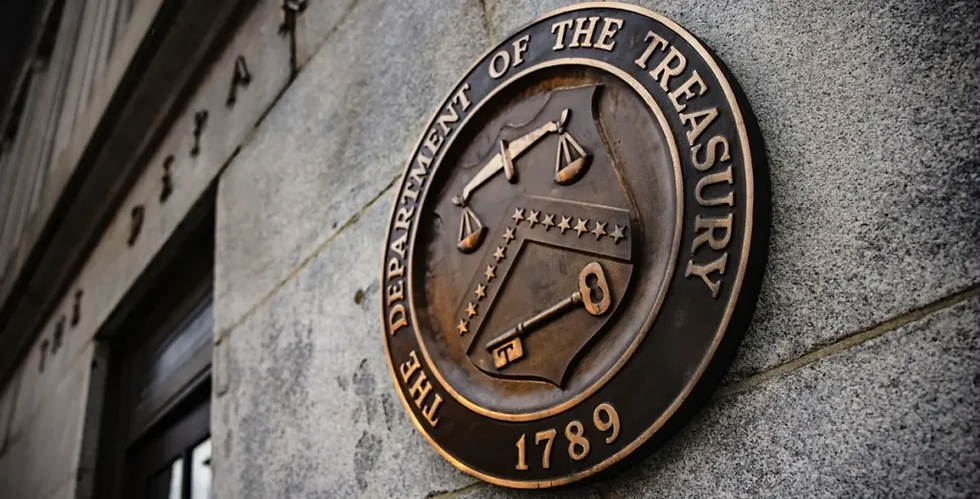
Investigators determined that the criminal organization had evolved its financial operations to take advantage of modern digital payment technologies, allowing it to obscure the origins of enormous amounts of illicit cash. At the center of the São Paulo-based operation were two principal coordinators who allegedly established an efficient financial pipeline connecting local drug distribution networks in several American cities with the organization's leadership in South America. Authorities identified these individuals as essential intermediaries responsible for coordinating extensive cash deliveries before channeling those proceeds into specialized corporate entities designed to resemble legitimate commercial enterprises. Officials stated that this financial structure reflected a deliberate strategy to exploit regulatory differences and geographic vulnerabilities across multiple jurisdictions, emphasizing the need for sustained cooperation among the Federal Bureau of Investigation, the Department of Justice, and financial intelligence agencies operating internationally.
The investigation also revealed that the network's financial activities extended well beyond laundering proceeds generated from narcotics trafficking. Authorities found that companies controlled by the alleged operatives were simultaneously used in sophisticated corporate fraud schemes involving advertising fraud connected to professional sports organizations. This discovery demonstrated that large transnational criminal organizations frequently diversify their criminal portfolios instead of relying on a single source of illicit income. By combining proceeds from drug trafficking with revenues generated through digital fraud schemes, investigators said the network complicated conventional audit trails used within the banking sector, creating significant challenges for traditional transaction monitoring systems. The case illustrates how legitimate commercial operations, digital asset transactions, cyber-enabled fraud, and money laundering can coexist within the same corporate accounts, requiring financial institutions to adopt broader and more sophisticated investigative approaches.
The sanctions imposed against the network represent one of the most significant financial countermeasures directed at the organization's international operations. By designating the principal organizers together with numerous associated financial services firms, construction companies, and logistics businesses operating across Europe, OFAC effectively blocked any assets subject to U.S. jurisdiction and prohibited American individuals and financial institutions from engaging in transactions involving the designated parties. These measures significantly disrupt the network's access to legitimate financial services while requiring banks and other regulated institutions worldwide to strengthen client onboarding procedures, beneficial ownership verification, and cross-border payment screening for transactions originating from high-risk logistical regions. The coordinated use of criminal indictments alongside immediate administrative sanctions reflects an integrated enforcement strategy designed to dismantle the financial foundations supporting transnational organized crime.
Authorities indicated that financial institutions should strengthen their anti-money laundering detection capabilities to address the concealment techniques identified during the investigation. The combination of conventional commercial banking accounts with digital asset exchange platforms has emerged as a particularly significant vulnerability within the financial system. Investigators explained that criminal organizations collecting substantial quantities of cash in regional distribution centers increasingly convert those proceeds into virtual currencies to avoid the logistical difficulties and security risks associated with transporting large volumes of physical currency across international borders. As a result, compliance teams are encouraged to deploy automated monitoring systems capable of tracing the movement of funds between traditional bank accounts and virtual asset service providers, with particular attention given to sudden increases in transaction velocity and structured deposits designed to remain below mandatory reporting thresholds.
The investigation further demonstrated that corporate transparency remains one of the strongest safeguards against the infiltration of shell companies into the regulated financial sector. Authorities found that the network established financial services businesses, real estate development companies, and international transportation enterprises throughout South America and Europe to project an appearance of legitimate commercial activity. These entities allegedly generated fictitious invoices and fabricated business transactions to justify substantial incoming and outgoing wire transfers. Investigators stressed that financial institutions should move beyond reviewing basic corporate registration documents during customer due diligence and instead ensure that a company's stated business purpose corresponds with its actual transaction patterns, customer relationships, counterparties, and geographic areas of operation.
The case also underscores the growing importance of extending know your customer procedures beyond domestic jurisdictions when evaluating cross-border business relationships. Investigators noted that transnational criminal organizations often favor industries such as commercial construction and logistics because these sectors naturally process large financial transactions and operate complex supply chains capable of concealing illicit funds. Authorities warned that when a single individual exercises direct or indirect control over multiple companies spanning different countries or continents, financial institutions should aggregate transaction data across all associated entities to identify potential layering or nested account structures. Without this broader view of customer relationships, criminal organizations can exploit fragmented compliance systems and continue moving funds through separate institutions without detection.

Investigators additionally observed that the organization's use of transportation and storage companies located at European transit hubs reflected a deliberate effort to diversify its international footprint and reduce exposure to regional sanctions enforcement. Establishing secondary corporate entities outside South America enabled the organization to portray itself as operating through low-risk commercial enterprises while maintaining hidden links to designated individuals. Authorities therefore recommend that financial institutions enhance sanctions screening systems to identify spelling variations, family relationships, and corporate registry connections capable of revealing associations between apparently unrelated European businesses and sanctioned individuals or other high-risk organizations. Continuous real-time monitoring of beneficial ownership information is regarded as essential for identifying these concealed relationships before illicit transfers enter the financial system.
Another notable aspect of the investigation involved the connection between the money laundering operation and sophisticated advertising fraud involving professional sports organizations. Authorities said this reflects an emerging trend in which criminal groups increasingly exploit specialized industries such as sports entertainment and digital marketing because subjective valuation methods within those sectors make it easier to justify large financial transactions disguised as sponsorship agreements, promotional campaigns, consulting arrangements, or marketing contracts. Compliance professionals are therefore encouraged to receive specialized training that enables them to evaluate whether funding for high-value sponsorships and advertising agreements originates from legitimate business activity or has been integrated with illicit proceeds through complex laundering schemes.
Ultimately, authorities emphasized that the successful disruption of this transnational financial network demonstrates that combating modern financial crime requires more than relying on historical transaction reviews or static risk models. As organized criminal groups continue adopting automated payment systems, decentralized financial technologies, virtual assets, and sophisticated corporate proxy structures, regulators and private-sector compliance professionals must remain adaptable and cooperative. Enhanced international information sharing, coordinated financial intelligence efforts, and advanced analytical technologies capable of identifying hidden corporate relationships will remain among the most effective tools for protecting the integrity of the global financial system from the evolving methods employed by transnational criminal organizations.
By fLEXI tEAM



Comments