
Tusk Calls for EU to Take Gambling Tax Proposal Seriously
Polish Prime Minister Donald Tusk has urged the European Union to give serious consideration to introducing a gambling tax at EU level as the bloc explores new revenue streams for its next long-term budget.
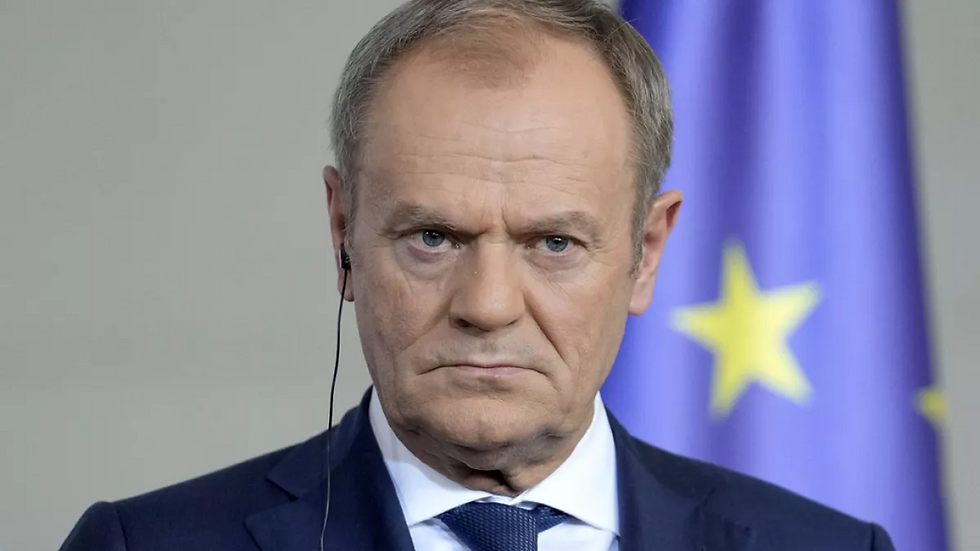
Tusk raised the proposal after a meeting of Visegrad Group leaders in Bratislava, where European Union budget priorities for the 2028–2034 period were discussed. During the talks, the Polish prime minister argued that efforts to secure additional funding for the EU should not result in further financial burdens being placed on workers.
Instead, Tusk highlighted potential revenue measures aimed at industries such as gambling, cryptocurrencies and large digital companies.
“I would like the European Parliament’s proposal concerning taxes on gambling and cryptocurrencies to be taken seriously,” Tusk said.
Online Gambling Levy Already Under Consideration
An EU-wide levy on online gambling and betting is already among the potential sources of additional revenue identified by the European Parliament.
In its position on the EU’s 2028–2034 Multiannual Financial Framework, Parliament called for alternative sources of funding to be examined if other proposed revenue measures fail to win sufficient backing from member states.
Among the options under consideration are an online gambling levy, a digital services levy and a charge on capital gains generated from crypto assets.
Estimates cited by Parliament in the context of the proposal indicate that an online gambling levy could potentially raise between €2 billion and €4 billion annually.
Despite the proposal being included in discussions over future EU revenue, there is currently no agreement on the tax rate, the precise structure of the levy or how it would be collected.

EU-Wide Gambling Tax Remains Far From Implementation
The idea of introducing a gambling levy at EU level remains in the early stages of political consideration. Gambling markets across the European Union are currently regulated and taxed predominantly by individual member states, resulting in substantial differences in licensing systems, tax bases and applicable rates.
Any future EU-wide levy would therefore have to determine how an additional European charge would interact with the gambling taxes and duties already imposed on licensed operators at national level.
The proposal would also face a significant political hurdle because changes to the EU's revenue system require a demanding approval process. The Own Resources Decision must receive unanimous approval from the Council before subsequently being approved by every member state in accordance with its respective national constitutional procedures.
Consequently, support from individual European political leaders, including Tusk, does not indicate that an EU gambling tax is close to being introduced.
For gambling operators, one of the most important unresolved issues is whether a future EU levy would create an additional layer of taxation on top of the national gambling duties they already pay.
By fLEXI tEAM


Comments