
Canada Proposes Nationwide Ban on Crypto ATMs Amid Rising Fraud and Money Laundering Concerns
Canada is moving toward a sweeping prohibition of cryptocurrency ATMs as part of a wider government effort to combat fraud and money laundering, following increasing evidence that these machines are being exploited by criminal networks and scam operations.
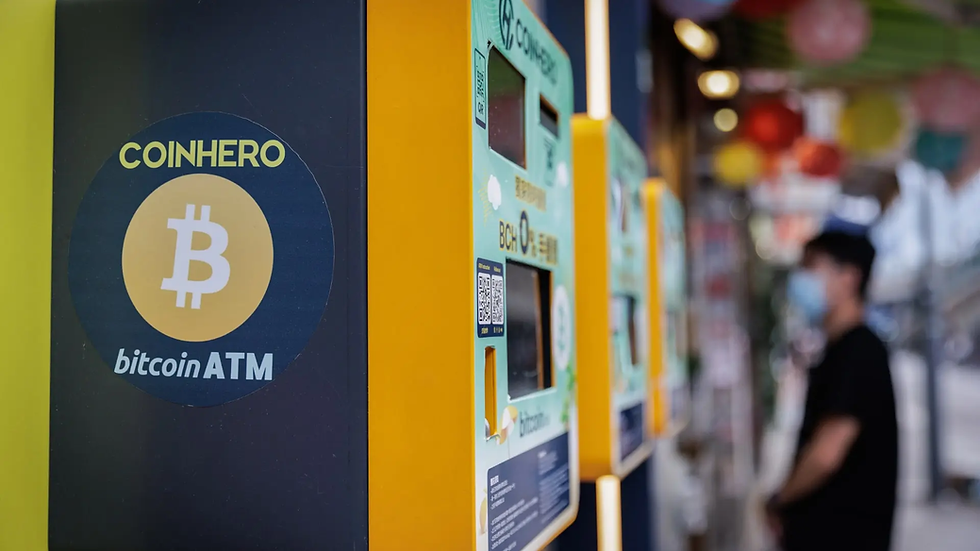
The proposal was introduced in the Liberal government’s Spring Economic Update, released on Tuesday, and calls for the complete removal of crypto ATMs across the country. Officials described these machines as a “primary method” used in both defrauding victims and laundering illicit proceeds.
As stated in the government’s announcement, “To protect Canadians by shutting down a primary method for scammers to defraud victims, and for criminals to place their cash proceeds of crime,” the administration intends to fully prohibit the devices.
Although crypto ATMs resemble traditional bank cash machines in appearance, their function differs significantly. Instead of dispensing physical currency from a bank account, these machines allow users to insert cash and convert it into cryptocurrencies such as bitcoin, which can then be transferred to digital wallets globally. This structure enables transactions outside conventional banking systems, raising concerns about their potential use in money laundering and fraud schemes.

The proposed ban follows escalating warnings from both regulators and law enforcement agencies regarding the role of crypto ATMs in financial crime. According to a 2023 internal assessment conducted by Canada’s financial intelligence agency, FINTRAC, bitcoin ATMs are expected to remain “the primary method” used by fraudsters to collect and launder funds obtained from victims.
In addition to the ATM restrictions, Canadian lawmakers are also considering broader limitations on cryptocurrency use in political financing, including a potential ban on crypto-based electoral donations. These discussions stem from concerns over the anonymity and traceability challenges associated with digital asset transfers.
Canada also holds historical significance in the evolution of cryptocurrency infrastructure, having hosted the world’s first bitcoin ATM, installed in 2013 at a coffee shop in downtown Vancouver. This early adoption now contrasts sharply with the government’s current regulatory direction, which is increasingly focused on restricting physical crypto access points in response to rising illicit activity concerns.
By fLEXI tEAM


Comments